Inventive Designs That Showcase the Beauty of Repurposed Trash
Waste is everywhere, but today's creative minds see more than just rubbish. Increasingly, designers, artists, and architects around the world are reimagining discarded objects, turning them into jaw-dropping pieces that highlight both innovation and sustainability. Inventive designs using repurposed trash not only address crucial environmental issues, but also reveal how beauty and utility can be found where we least expect it. This comprehensive article will explore a variety of stunning projects, the benefits of upcycling, trends in eco-friendly design, and ways you can contribute.
Why Repurposed Trash Matters: The Power of Sustainable Design
Every second, tons of waste make their way to landfills, polluting our planet. But what if we could tap into the creative potential of trash? By showcasing inventive designs that use reclaimed materials, we raise awareness about sustainable practices, inspire positive change, and preserve resources for future generations.
- Artistic Expression: Repurposed art showcases the allure hiding in discarded items, challenging our perspectives on waste.
- Environmental Impact: Reusing materials reduces reliance on raw resources, cuts down emissions, and limits landfill growth.
- Community Engagement: Upcycling projects invite communities to participate, learn, and reconsider their own environmental footprint.
- Economic Benefits: Transforming trash into treasure can spawn small businesses, support artisans, and even foster entirely new markets.
Stunning Examples of Creative Repurposed Trash Designs
1. Architectural Marvels Made from Recycled Materials
Bold architects worldwide have embraced the challenge of using upcycled objects to create functional, awe-inspiring spaces.
- The Plastic Bottle Village (Panama): This community project uses thousands of discarded plastic bottles as insulation and building blocks for homes, shining a light on the impact of single-use plastics while promoting affordable housing.
- Shipping Container Homes: Old shipping containers, once destined for scrapyards, form the backbone of eco-friendly houses, offices, and pop-up shops in urban areas.
- EcoARK Pavilion (Taiwan): Constructed from 1.5 million recycled PET bottles, this pavilion demonstrates both practicality and aesthetic value, serving as a beacon of upcycled architecture.
2. Furniture That Transforms Trash into Functional Art
Repurposing old materials for furnishings not only cuts waste, it adds character and storytelling to everyday items.
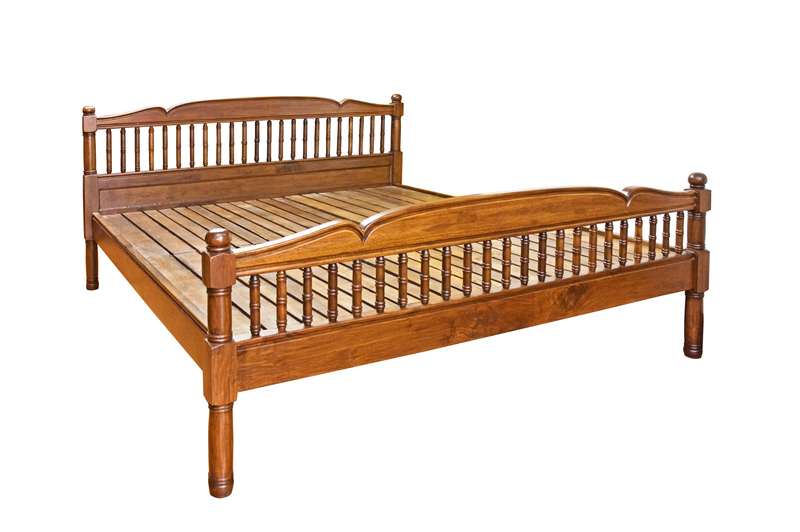
- Recycled Wood Pallet Furniture: Pallets, regularly thrown away after shipping use, get a second chance as rustic beds, coffee tables, and bookshelves.
- Tire Chairs and Ottomans: Worn-out tires turn into sturdy, contemporary seating with a splash of paint and some creative upholstery.
- Scrap Metal Sculptures and Lamps: Artists weld together nuts, bolts, and pipes, breathing new life into broken machinery as unique lighting fixtures and decorative pieces.
3. Fashion and Accessories from Unexpected Origins
The world of fashion, too, has caught on to the upcycling revolution. From reclaimed plastics to old newspapers, designers are redefining style.
- "Trashion" Luxury Lines: High-profile events now feature gowns and outfits sewn from food wrappers, plastic bags, and even cassette tapes.
- Jewelry from E-Waste: Discarded computer parts become statement necklaces, while circuit boards transform into brooches or earrings.
- Bags and Wallets from Inner Tubes: Used bike and car inner tubes, once destined for landfill, find new purpose as waterproof, long-lasting accessories.
4. Public Art Installations: Repurposed Trash as Civic Inspiration
Around the globe, visionary artists use trash to create massive, thought-provoking public sculptures that provoke conversation about sustainability.
- Washed Ashore Project (Oregon, USA): Giant sea creatures sculpted from ocean plastic debris tour the nation, raising awareness about marine pollution.
- Trash People by HA Schult: Thousands of life-sized figures built from cans, computers, and scrap materials have "marched" through major cities, symbolizing humanity's legacy of waste.
- Fish Made of Bottles (Rio de Janeiro): Towering fish sculptures made from plastic bottles adorned Copacabana Beach during the United Nations Conference on Sustainable Development, blending beauty with advocacy.
The Artistic Philosophy: Finding Meaning in Discarded Objects
What makes designs using repurposed trash so compelling is the underlying philosophy: Everything has potential. Through careful consideration and creative effort, things once deemed worthless become objects of desire.
- Storytelling: Repurposed designs often carry the history of their former life, infusing each piece with narrative depth.
- Ingenuity: Working with non-traditional materials challenges artists to innovate solutions, often resulting in one-of-a-kind creations.
- Consciousness: By highlighting the origins of their materials, designers invite audiences to think about consumption and waste in a new way.
Trends in Eco-Friendly and Upcycled Design
More than a passing fad, the creative reuse of trash is becoming a mainstay in art, architecture, and industry. Some notable trends include:
1. Circular Economy Principles
Leading-edge brands and communities are adopting circular design models, where products are conceived with repair, reclamation, and reassembly in mind. This systemic approach keeps materials in use for longer and minimizes waste output.
2. Biophilic and Nature-Inspired Upcycling
Many inventive repurposed trash designs draw inspiration from natural shapes, patterns, and biological systems - blending human ingenuity with organic aesthetics.
3. Community-Driven Projects
DIY movements, local workshops, and maker spaces empower everyday people to participate in waste-to-art transformations, making sustainability accessible and communal.
4. High-Tech Meets Low-Tech
Emerging technologies like 3D printing, robotics, and digital fabrication are opening new avenues for converting "waste" into sophisticated design pieces, sometimes even using plastic extracted from oceans or 3D-printer filament made from bottles.
How You Can Join the Movement: Repurposing Trash at Home
Feeling inspired by these inventive designs of repurposed waste? Everyone can take part in the upcycling revolution, and it often begins in your own household.
- Start Small: Turn glass jars into planters, old T-shirts into cleaning rags, or chipped mugs into creative pen holders.
- Get Crafty: Host a "trash art" day with kids or friends, using clean recyclables to make fun sculptures.
- Support Upcycled Products: Buy from artists, furniture makers, and organizations that incorporate reclaimed materials.
- Spread the Word: Share knowledge, photos, and projects on social media to inspire more people to rethink their waste.
Challenges and Solutions in Repurposed Trash Design
While it's inspiring to see so many creative projects with reused materials, designers do face several challenges. These may include:
- Material Consistency: Finding usable trash in large, predictable quantities is difficult, especially for scaling up production.
- Durability: Some repurposed materials may degrade faster than new ones, posing issues for long-term installations.
- Consumer Perceptions: Many people mistakenly believe reused goods are lower in quality or less desirable.
To overcome these hurdles, designers are investing in better cleaning processes, combining old and new components for strength, and emphasizing education to change public opinion.
The Road Ahead: Repurposing Trash as a Design Imperative
With climate change and waste crises growing, repurposing trash isn't just an artistic choice - it's a necessity. As public awareness grows and technology advances, expect to see even more inventive solutions blossoming from what we once threw away.
Future Possibilities Include:
- Zero-Waste Manufacturing: Factories where every leftover by-product gets incorporated into new goods.
- DIY Home Upcycling Kits: Mainstream kits providing all the tools and knowledge needed to turn household trash into stylish decor.
- Smart Trash Bins: Devices that sort, clean, and even transform items for secondary uses automatically.
Conclusion: Beauty Beyond the Bin
The future of design is being shaped by how we treat our "waste." From monumental architecture to intricate jewelry, the world is witnessing a creative renaissance that finds beauty in repurposed trash. Each inventive project is both a protest against throwaway culture and a celebration of human ingenuity.
Will you take part? The next time you're about to toss something out, pause and ask: What could this become?
By embracing inventive designs that showcase the beauty of waste, we build a more conscious, creative, and sustainable world--one "piece of trash" at a time.