Health and Safety Policy — Harlesden Skip Hire
 Harlesden Skip Hire is committed to providing a safe working environment for employees, contractors, clients and the general public in all aspects of our skip hire and rubbish removal operations. This policy outlines our approach to hazard control, risk assessment and continuous improvement across our rubbish company service area and waste management activities. The policy applies to all team members, from drivers and operatives to administrative staff and management.
We adopt a precautionary approach to rubbish collection services and skip delivery, emphasising planning, training and equipment maintenance. Key responsibilities are formally allocated: management ensures resources and oversight; supervisors enforce controls on site; and employees follow safe systems of work. Everyone is encouraged to report hazards or near-misses promptly to maintain a culture of safety.
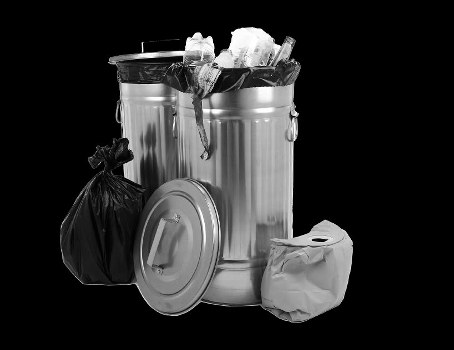 Our operational safety procedures are based on routine risk assessments for tasks such as loading skips, manual handling, vehicle movements and disposal of mixed waste. These procedures incorporate control measures including mechanical aids, correct PPE, segregation of hazardous materials and clear traffic management for yards and collection points. The policy supports safe and compliant rubbish removal across our service area while minimising environmental impact.
Risk Management and Safe Systems
All activities are assessed for risk before work starts; assessments are reviewed regularly and whenever processes change. Controls follow the hierarchy of hazard control: elimination, substitution, engineering controls, administrative controls and personal protective equipment. Our vehicle checks, load restraint protocols and site-specific permits reduce the likelihood of incidents during skip hire operations.
Training is a central pillar: induction, task-specific instruction, refresher training and toolbox talks ensure that staff understand safe handling of bulky waste, hazardous items and contaminated loads. We maintain records for competence and licences where required for vehicle operation and waste carriage. Staff are instructed in emergency procedures, spill response and first-aid arrangements to increase resilience across rubbish company duties.
 Maintenance of plant and equipment is scheduled and logged to prevent failures. Our fleet servicing and calibration checks for lifting equipment reduce mechanical risk. Contractors and subcontractors are chosen on the basis of health and safety performance and must comply with our standards for waste transport and skip placement in residential and commercial settings.
Operational Controls and Responsibilities
Site managers implement traffic management plans where vehicle movements occur. Clear signage, exclusion zones and trained banksmen are used when lifting and placing skips. Manual handling risks are minimised by using mechanical loading where possible and by instructing teams on safe lifting techniques for lighter items commonly removed in rubbish collection services.
We enforce the correct use of PPE including high-visibility clothing, gloves, protective footwear and eye protection when required. Respiratory protection is provided where dust or airborne contaminants are identified. A permit-to-work system covers high-risk activities such as removal of asbestos-containing materials and disposal of hazardous waste types.
Our environmental controls ensure that spill containment, waste segregation and authorised disposal routes are used to prevent pollution. As part of waste management best practice, we promote resource recovery and correct classification of waste to reduce the burden on landfill and to increase recycling rates across our skip hire and rubbish removal operations.
To support compliance and improvement we carry out internal audits, incident investigations and regular performance reviews. Key performance indicators include incident frequency rates, completion of safety training and timeliness of vehicle maintenance. Where incidents occur, we apply lessons learned to update procedures and to prevent recurrence, reinforcing our strong safety culture in the rubbish company service area.
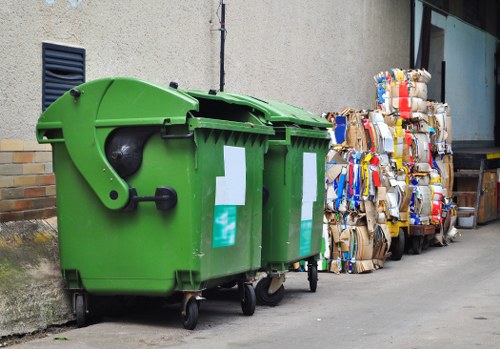 Employee wellbeing and communication are core to our policy. We provide access to occupational health support, encourage fatigue management for drivers and maintain clear channels for staff to raise concerns or suggest improvements. A collaborative approach between management and workforce ensures that safety decisions are practical and effective.
 In summary, Harlesden Skip Hire maintains a clear, documented Health and Safety Policy that governs skip hire, rubbish removal and waste handling activities. Our commitments include legal compliance, ongoing risk reduction, staff competence and transparent reporting. This policy is reviewed periodically to reflect operational changes, legislative updates and continual improvement in safe rubbish collection services and waste management practices.
- Scope: Applies to all waste handling and skip hire activities in the company’s service area.
- Responsibilities: Management, supervisors and staff hold defined roles for safety.
- Key controls: Risk assessment, training, equipment maintenance, PPE and environmental safeguards.
This policy is maintained as a living document and is available to relevant stakeholders. Employees are expected to familiarise themselves with its contents and to take an active role in implementing safe working practices across our rubbish removal and skip hire services.