Rubbish collection tips for Harlesden High Street traders
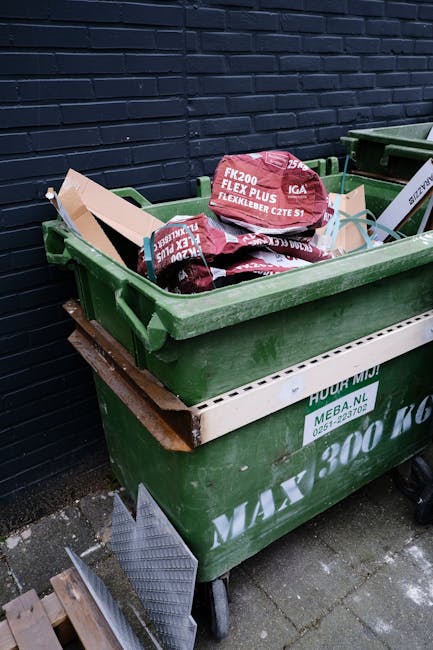
Running a shop, cafe, salon, takeaway, market stall, or small business on Harlesden High Street means you rarely get the luxury of a quiet back-of-house routine. Deliveries arrive when they arrive, packaging piles up faster than you expect, and by closing time there's often a small mountain of cardboard, food waste, broken bits, and "we'll deal with that later" clutter. The trouble is, later has a habit of becoming tomorrow. This guide shares practical rubbish collection tips for Harlesden High Street traders so you can keep your frontage tidy, protect customers' first impressions, and avoid avoidable mess, smells, and disruption.
You'll find straightforward advice on collection planning, storage, waste segregation, compliance, disposal options, and the best ways to decide between commercial skip hire, wait and load skip hire, rubbish removal, and other practical services. No fluff. Just the stuff that helps traders keep moving.
Expert summary: the best waste setup for a High Street trader is usually the one that is simple to use every day, fits the space you actually have, and matches the type of rubbish you produce most often. If the system is awkward, people stop using it properly. That's usually where the problems start.
Why Rubbish collection tips for Harlesden High Street traders Matters
On a busy retail street, waste is never just waste. It affects customer perception, staff morale, neighbour relationships, hygiene, and sometimes your ability to trade comfortably. A few overfilled sacks or a stack of cardboard leaning into the pavement can make even a well-run business look untidy. That matters more than people admit. In Harlesden, where shops and services often operate close together and space is tight, good rubbish collection habits can make a noticeable difference very quickly.
There is also the practical side. Poor waste handling can attract pests, create slip hazards, block access routes, and lead to unpleasant smells, especially in warm weather. If you've ever walked past a business at the end of a Friday shift and caught that mixed smell of food waste, wet cardboard, and spilt drink residue, you already know how fast a small issue becomes a visible one.
Good rubbish collection is also about avoiding disruption. A trader who understands how often waste builds up, what can be compacted, what needs separate handling, and when a collection service should be booked is usually spending less time firefighting. That leaves more time for serving customers and keeping stock moving.
For many premises, the decision also comes down to space. High Street units are rarely generous with bins, rear yards, or loading access. So the collection method has to fit the layout, not the other way around. That is where a little planning pays off.
How Rubbish collection tips for Harlesden High Street traders Works
At its simplest, a good collection routine follows a cycle: reduce, sort, store, and remove. That sounds basic, but the details matter.
1. Reduce waste before it reaches the bin
The easiest rubbish to manage is the rubbish you never create. Traders can often reduce volume by ordering stock in smarter quantities, asking suppliers to take packaging back where possible, and folding cardboard flat as soon as deliveries arrive. A few seconds at the point of unpacking saves a lot of hassle later.
2. Sort waste by type
Mixed waste is harder to collect efficiently and often more expensive to deal with. Separate cardboard, food waste, general waste, glass, and any specialist items early. If your business produces office paperwork, use a secure route for that too, such as confidential shredding. It keeps sensitive material away from the open bin and reduces risk in a very sensible, non-dramatic way.
3. Store it safely and neatly
Waste should be stored so it does not block customers, staff, exits, or loading areas. Containers need to be stable, covered where appropriate, and easy to access for collection. If you're dealing with bulky items or awkward access, a service such as wait and load skip hire can be useful because the vehicle arrives, waste is loaded, and the collection is completed quickly without leaving a skip on-site.
4. Remove it on the right schedule
There's no perfect timetable for every trader. A cafe producing food waste daily needs a different rhythm from a clothing shop with mostly cardboard and packaging. The idea is to collect often enough to stay clean and compliant, but not so often that you pay for empty capacity. Some businesses also benefit from same day skip hire when they are dealing with a sudden backlog after refits, stock changes, or seasonal clear-outs.
In practice, the "how it works" part is mostly about matching the service to the mess you actually make. Not the mess you imagine making. There's a difference.
Key Benefits and Practical Advantages
The upside of getting waste collection right is bigger than many traders expect. Yes, it helps with tidiness. But it also improves the day-to-day feel of the business.
- Better customer presentation: a clean frontage and tidy rear area make the premises feel cared for.
- Less staff stress: teams waste less time wondering where to put bags, boxes, and broken items.
- Reduced odour and mess: especially useful for food retailers, takeaways, and hospitality businesses.
- Safer working environment: fewer trip hazards, fewer overflow issues, and clearer access routes.
- More efficient collections: sorted waste is easier to remove and often easier to price sensibly.
- Better use of small space: vital when every square metre behind the counter matters.
- Improved recycling habits: more of your waste can be diverted properly when streams are kept separate.
There's another benefit that gets overlooked: confidence. When the waste system is predictable, you stop dreading the end of the day. That sounds small, but it matters to people who are opening shutters at 7am and locking up at 10pm.
Who This Is For and When It Makes Sense
This advice is aimed at Harlesden High Street traders of all kinds, but some businesses will feel the need more sharply than others.
Retail shops
Shops often produce large amounts of packaging, damaged stock, pallet wrap, and display waste. The trick is keeping cardboard dry and compact. Once cardboard gets wet, it becomes annoying fast - heavier, messier, and harder to move.
Cafes, bakeries, takeaways, and food outlets
These businesses may need frequent waste removal because of food waste, cleaning materials, and packaging. Hygiene matters here, obviously, and collections should be regular enough that bins never become an overflow problem.
Salons, barbers, and beauty businesses
These premises often produce smaller but steady amounts of mixed waste, product packaging, and sometimes items that need careful disposal. Keeping back rooms uncluttered makes a surprising difference to staff flow.
Offices and service businesses above shops
If your premises include paperwork, old equipment, or furniture changes, you may need support from office clearance or even man and van style removal when the job is too small for a full skip but too awkward to shift yourself.
Premises with refurbishments or fit-outs
Any trader doing a refresh, shelving change, internal strip-out, or light building work may need builders waste removal or construction waste disposal. If the work is larger, builders skip hire is often the more practical route.
When does it make sense to review your setup? Usually when one of these happens: the bins are always full, collections are messy, staff keep moving waste around by hand, or customers can see the clutter. If that sounds familiar, you are probably already overdue for a better system.
Step-by-Step Guidance
Here's a simple process traders can use to tighten up rubbish collection without overcomplicating it.
- Walk your site at closing time. Notice where waste gathers, where it spills, and where it blocks movement. That one walk tells you a lot.
- List your waste streams. Separate cardboard, general waste, food waste, glass, recyclables, confidential paper, bulky items, and anything hazardous or specialist.
- Estimate volume honestly. Don't guess low just to save money. Underestimating waste usually leads to overflow, which is more expensive in the long run.
- Choose the right collection method. For recurring rubbish, a regular collection plan may work. For one-off clearances, think about skip hire, wait and load, or a direct removal service.
- Keep access clear. Waste crews need a route in and out. If the rear yard is blocked by stock or deliveries, collection becomes slower and less tidy.
- Brief staff properly. One person putting bags in the wrong place can undo a lot of effort. A simple written routine helps.
- Book with timing in mind. Choose a collection window that avoids your busiest customer periods. Early mornings or quieter mid-afternoons often work well.
- Review after the first cycle. Did the container size work? Was the access okay? Did waste build up faster than expected? Small adjustments make a big difference.
If you need help choosing container size, skip sizes and prices can be a useful place to think through your options before booking.
Expert Tips for Better Results
Here are the tips that tend to make the biggest difference in real day-to-day trading environments.
Keep cardboard dry from the moment it arrives
Rainy mornings in London can ruin a perfectly neat collection plan in about five minutes. If you can keep cardboard under cover and flatten it immediately, you'll save space and avoid a soggy mess that attracts pests and makes collections more awkward.
Use the right container for the right waste
General waste and recyclable waste should not be treated as the same thing if you want predictable collection and better recycling outcomes. For businesses that value a cleaner, more organised yard, enclosed and lockable skip hire can be a sensible choice where security and containment matter.
Think about peaks, not just averages
Most traders do not produce waste evenly. You get delivery days, seasonal spikes, promotional events, and end-of-month clear-outs. Your collection plan should cover those spikes, not just the average Wednesday.
Don't leave hazardous or awkward items in the general pile
Items such as fridges, chemicals, and some electrical waste need special handling. If you mix them in with everyday rubbish, you can create disposal problems you really do not want. Services like hazardous waste disposal and fridge and appliance removal exist for a reason.
Use the street itself sensibly
Harlesden High Street is busy, and that means patience and timing. A collection that seems fine on paper can become a nuisance if it blocks footfall at the wrong moment. Sometimes a short window really is better than a long one. Simple, but true.
Book proactively before a problem shows itself
If you know stock is arriving, a renovation is planned, or old furniture is leaving, do not wait until the store room is bursting. Services such as rubbish removal can help with quicker turnarounds, while same day skip hire may help with urgent jobs.
Common Mistakes to Avoid
Most waste problems come from predictable mistakes. That's the good news, actually. Predictable problems are easier to fix.
- Leaving waste until closing time every day: it sounds harmless until the back room becomes a storage cave.
- Using one bin for everything: mixed waste is harder to manage and often harder to recycle.
- Ignoring access issues: if the collection team cannot reach the waste safely, your plan breaks down.
- Overfilling containers: that can lead to spillage, contamination, and extra handling.
- Putting prohibited items in the wrong container: this creates delays and sometimes extra charges.
- Skipping staff training: the best system in the world fails if nobody follows it.
- Choosing a collection method that does not suit the street: on a tight High Street, some options simply work better than others.
A very common one? Assuming "we'll manage" is a plan. To be fair, it's usually not.
Tools, Resources and Recommendations
You do not need fancy equipment to manage shop waste well. A few reliable tools and habits are usually enough.
- Heavy-duty bags and labelled bins: useful for keeping waste streams clear.
- Flattening tools or simple cutting tools for cardboard: reduce bulk and make stacking easier.
- Covered storage: helps prevent rain damage, odour, and spread of debris.
- Basic staff checklist: a short end-of-day routine keeps habits consistent.
- Clear signage: very helpful in shared back areas where different teams use the same space.
- Collection planning notes: track when waste builds up fastest, then adjust the schedule.
For traders comparing disposal methods, the following pages are worth a look because they help you narrow the choice without overcomplicating things: skip hire, waste recycling services, and pricing and quotes. If you need a secure, closed solution for sensitive or tidiness-conscious sites, enclosed and lockable skip hire can be especially practical.
And if you are dealing with a more specialised premises clean-out, house clearance, garage and loft clearance, or site clearance may be more relevant depending on the kind of waste involved.
Law, Compliance, Standards, or Best Practice
Waste handling for traders in the UK should be approached carefully. While exact responsibilities depend on the type of business and waste involved, the general expectation is straightforward: waste should be stored safely, collected responsibly, and transferred through appropriate channels. If your rubbish includes food waste, electrical items, confidential documents, or anything potentially hazardous, do not treat it as ordinary black-bag waste.
Best practice usually means keeping clear separation between waste types, preventing escape into the street, and using a carrier or disposal route that matches the item. That applies whether you are arranging commercial skip hire, wait and load skip hire, or a more direct man and van collection for smaller loads.
For traders, a sensible standard is to know what goes in each container, keep a record of regular collections, and make sure staff understand the basics. If you are not sure about a specific item, check before it leaves the building. That is usually easier than dealing with a mistake after the fact.
You should also pay close attention to site safety. Busy trading premises often have customers, staff, deliveries, and waste movement happening in the same space. That is exactly where a cautious approach matters. The right process should reduce risk, not add to it.
Options, Methods, or Comparison Table
Different waste situations call for different methods. There isn't one winner for every trader, which is slightly annoying, but true.
| Method | Best for | Strengths | Limitations |
|---|---|---|---|
| Regular bin collections | Day-to-day low-volume waste | Simple, familiar, predictable | Can overflow if volumes spike |
| Commercial skip hire | Bulkier or recurring trade waste | Good capacity, flexible for bigger jobs | Needs space and sometimes permission |
| Wait and load skip hire | Sites with limited on-street or yard space | Fast, avoids long on-site storage | Requires tight timing and quick loading |
| Rubbish removal | Smaller clearances and mixed items | Convenient, less manual handling for traders | May be less suitable for heavy ongoing waste |
| Skip permits support | When a skip may sit in a public space | Helps formalise street-side use | Needs planning and local awareness |
If your premises are tight on access, think carefully before choosing a container method. A smaller but more frequent solution can be better than a large one that gets in everybody's way. That's one of those dull decisions that turns out to be very important.
Case Study or Real-World Example
Imagine a small independent shop on Harlesden High Street receiving several deliveries a week. Cardboard boxes arrive in waves, broken display packaging builds up after stock changes, and the back area is also used for staff storage. At first, the team uses one general bin and a couple of loose sacks. It works fine for a week or two. Then it doesn't.
By Friday afternoon the floor space disappears, the bin lid won't close, and someone has to carry waste through a narrow path between stock cages and cleaning supplies. It's awkward. It smells a bit, too. Nothing dramatic, but enough to make the room feel messy and tired.
The fix is not complicated. They start flattening boxes as they arrive, separate cardboard from general waste, and move to a collection method that matches volume more closely. For one-time clear-outs, they use a man and van service; for larger seasonal changes, they review skip sizes and prices and book accordingly. If the back yard is unavailable, they switch to a quicker removal option rather than letting waste sit for days.
Within a couple of weeks the space feels calmer. Staff spend less time moving rubbish around. The store looks more organised. And, honestly, that calmer feeling matters more than people think. A tidy back area usually means a tidier mind. Not always, but often enough.
Practical Checklist
Use this checklist to tighten up your waste routine before things get out of hand.
- Have you identified every waste type your business produces?
- Are cardboard and packaging flattened as soon as they arrive?
- Is food waste kept separate from dry waste where relevant?
- Are any confidential papers handled through secure disposal?
- Do staff know where to place each item?
- Is the collection area clear, accessible, and not blocking customers?
- Have you checked whether any items need specialist disposal?
- Do you know whether a skip, wait and load, or direct removal is the best fit?
- Have you reviewed whether collection timing matches your busiest periods?
- Is there a plan for peak periods, refurbishments, or seasonal stock clear-outs?
If you can tick most of those off, you're already ahead of the curve.
Get a free quote today and see how much you can save.
Conclusion
Rubbish collection for Harlesden High Street traders works best when it is simple, tidy, and matched to the reality of the premises. The goal is not to create a perfect waste system. It is to create one that staff actually use, customers never have to think about, and collections can handle without stress.
Start with the basics: reduce packaging, separate waste streams, plan access, and choose a collection method that suits your space. From there, refine the details. A small improvement in how waste is managed can make a bigger difference than you'd expect, especially on a busy street where first impressions are formed in seconds.
And if you keep it practical, the whole thing gets easier. Less clutter. Less hassle. More room to focus on the business itself. That's the real win.
Frequently Asked Questions
What is the best rubbish collection method for Harlesden High Street traders?
It depends on the amount and type of waste you produce. Small, regular waste may suit a bin-based setup, while bulkier or mixed waste may be better handled through commercial skip hire, wait and load skip hire, or direct rubbish removal.
How often should a High Street trader arrange waste collection?
There is no single rule. A food business may need daily or near-daily attention, while a small retail shop may manage with less frequent removal. The right schedule is the one that prevents overflow and keeps the site clean.
Do traders need to separate cardboard from general waste?
Yes, where possible. Separating cardboard makes collection cleaner, supports recycling, and keeps the rest of the waste stream from becoming bulky too quickly. It also helps your storage space stay usable.
Can I put everything into one skip?
No. Some items should not go into a skip at all, and others may need special handling. If you are unsure, check the guidance on what can go in a skip before loading anything.
What should I do with confidential paperwork?
Use a secure disposal route such as confidential shredding. Do not leave sensitive documents in ordinary waste bags, even if they seem unimportant at the time.
Is a skip always the best option for traders?
Not always. Skips are useful for bulk waste, but if space is tight or the waste needs removing quickly, a different method may be better. Man and van and wait and load skip hire can be more practical in some cases.
What happens if my business produces bulky items like fridges or sofas?
Those items usually need specialist removal rather than being left with standard trade waste. Services like fridge and appliance removal or mattress and sofa disposal are better suited.
Do I need a permit for a skip on a public street?
You may need permission depending on where the skip is placed. It is wise to review skip hire permits and skip permits before arranging anything that could affect the pavement or road.
What is the quickest option for a one-off clear-out?
For urgent jobs, same day skip hire or direct rubbish removal may be the fastest route, depending on access and the volume involved.
How can I keep waste from making my shop look untidy?
Flatten cardboard immediately, use covered storage where possible, clear waste before it piles up, and choose a collection plan that matches real volume. Tiny habits make a surprisingly big visual difference.
What if I'm not sure how much waste my business produces?
Start by tracking it for a week or two. Note how quickly bins fill up, how many bags you create, and whether any bulky items appear regularly. That simple record is usually enough to decide between skip sizes and prices or a smaller removal option.
Where can I learn more about waste, recycling, and service options?
You can explore pages such as recycling and sustainability, waste recycling services, and about us to understand the service approach and values behind the work.
Good waste management is rarely glamorous. But on a busy High Street, it is one of those quiet details that keeps everything else running smoothly. Get that part right, and the day tends to feel a little lighter.